Compare Swimming Pools: Master Custom Aquatic Design Guide
Aquatic architecture and domestic aquatic engineering operate under severe structural, hydrological, and geotechnical demands. These complex elements separate high-end swimming pool development from standard backyard basin installation. When property owners commission a custom aquatic installation across extensive acreage or complex architectural envelopes, design requires harmonizing civil excavation, reinforced concrete engineering, hydro-sanitation mechanics, and microclimate landscaping. This level of master planning shifts the core objective away from seasonal recreation. Instead, it focuses on permanent structural integration, water chemistry stabilization, and long-term asset durability across decades.
Developing comprehensive aquatic layouts necessitates a rigorous understanding of multiple scientific principles. Specifically, designers must analyze how hydrostatic pressure, expansive clay soils, freeze-thaw cycles, and chemical sanitizers interact with pool shells, coping stones, and circulation piping. A truly successful pool design does not merely excavate soil, spray gunite, or drop a prefabricated shell into place. Consequently, professionals must calculate groundwater table pressures, choreograph equipment pad hydraulics, establish rigid structural grade beams, and balance bather load dynamics against filtration turnover rates. Consequently, the primary goal is establishing a lasting, balanced relationship between artificial water bodies and surrounding landscape architectures.
Approaching this discipline requires examining the underlying mechanics that separate superficial pool construction from structural aquatic mastery. Furthermore, the following analysis explores conceptual frameworks, structural variations, economic resource dynamics, and maintenance paradigms that define sophisticated aquatic environments. When property developers and homeowners evaluate high-end projects, learning how to compare swimming pool designs ensures structural longevity, spatial harmony, and financial alignment over time.
Understanding “compare swimming pool designs”
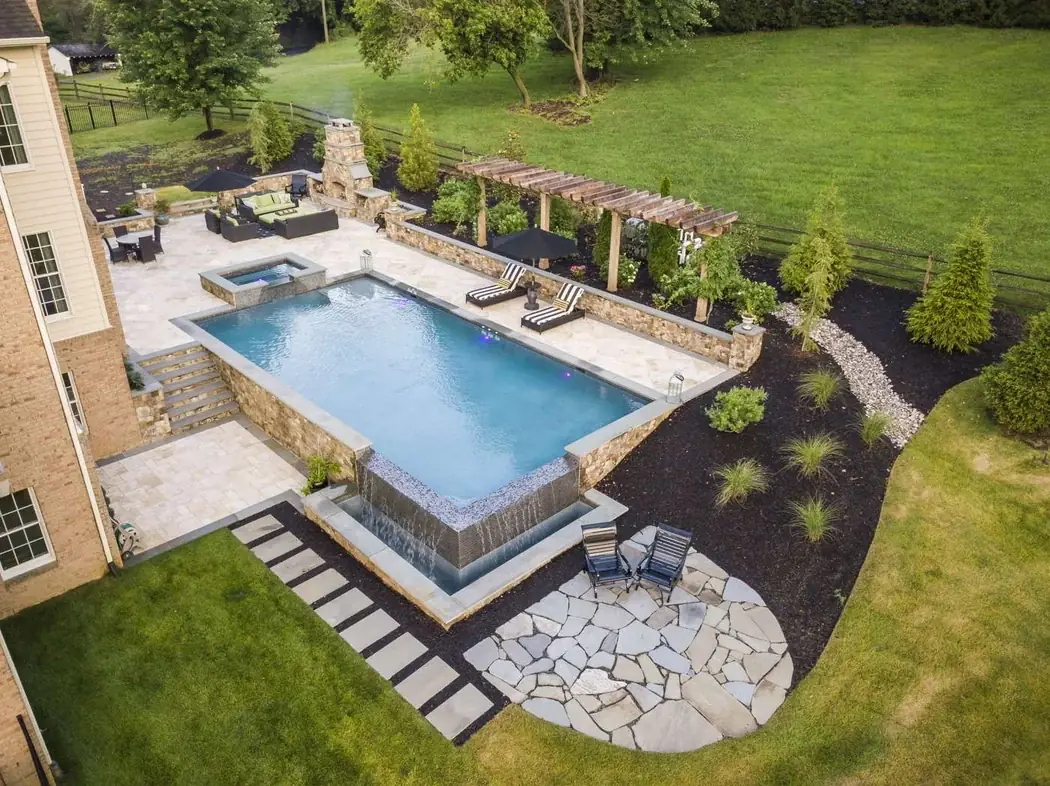
The process to compare swimming pool designs requires looking far beyond initial surface finishes and aesthetic tile selections. Specifically, evaluators must analyze structural shell engineering, soil mechanics compatibility, hydraulic turnover efficiency, and long-term maintenance lifecycle costs. These distinct aquatic blueprints are engineered to complement primary residential manors. However, they must simultaneously solve complex site challenges, such as severe slope stabilization, high water tables, and strict municipal safety fencing mandates.
A common misunderstanding in aquatic property development involves the conflation of high upfront installation costs with structural superiority. Property owners frequently assume that specifying intricate mosaic tiles, complex vanishing edges, and elaborate rock waterfalls automatically constitutes a robust engineering master plan. In practice, true pool mastery is found in sub-grade foundation stability, precise hydraulic balancing, crack-resistant shell reinforcement, and long-term chemical resilience under severe weathering.
Oversimplification risks occur when project evaluations focus strictly on pool shape or initial aesthetic presentation rather than foundational civil engineering. For example, an elaborate concrete pool built over uncompacted expansive clay without proper sub-grade drainage will inevitably crack and shift during major seasonal moisture swings. Furthermore, treating an aquatic installation as a static water tank ignores environmental reality. Groundwater pressure, thermal expansion, and bather bioload constantly stress the vessel. Therefore, the most effective evaluations account for structural movement and hydraulic dynamics, ensuring the pool shell remains stable as the surrounding landscape settles.
Deep Contextual Background
The evolution of domestic aquatic architecture reflects shifting structural engineering capabilities, sanitation technologies, and cultural attitudes toward leisure over the past century. Historically, residential swimming pools were rare, luxury engineering feats constructed primarily as thick, unreinforced masonry basins. Furthermore, these early basins required manual filling, frequent draining, and basic chlorine dosing, making upkeep labor-intensive and water management rudimentary.
During the mid-twentieth century, the post-war suburban boom transformed the industry. The invention of pneumatically applied concrete (gunite/shotcrete), fiberglass manufacturing, and modular vinyl-liner kits revolutionized pool construction. Consequently, designers and civil engineers transitioned toward standardized shapes and engineered pool shells that could be installed across diverse residential scales. This historical trajectory established the foundation for modern site planning, where advanced hydraulic circulation, automated chemical controllers, and sophisticated structural engineering coexist.
Today, contemporary master pool design incorporates computer-aided hydraulic modeling, variable-speed inverter pumps, ultraviolet and ozone sanitation systems, and geogrid soil reinforcement. This historical evolution shifts the designer’s role from a simple builder to an aquatic engineer. Ultimately, they integrate structural mechanics, fluid dynamics, and architecture into a unified, sustainable property plan.
Conceptual Frameworks and Mental Models
Navigating the complexities of large-scale aquatic design requires structured mental models that balance civil engineering, fluid physics, and material science.
-
The Hydraulic Turnover and Filtration Loop: This framework treats the pool as a closed hydraulic circuit. Additionally, it sequences skimmers, main drains, variable-speed pumps, media filters, and chemical sanitizers into a continuous loop designed to process the entire water volume within a designated turnover window.
-
The Hydrostatic Pressure Balance Model: This evaluates how groundwater forces interact with empty or semi-full pool shells. Consequently, it models the critical need for hydrostatic relief valves to prevent high water tables from lifting concrete or fiberglass shells out of the ground.
-
The Structural Shell Stress Matrix: This analyzes how internal water weight and external soil loads create bending moments and shear stresses within pool walls. Therefore, it dictates steel rebar schedules and overall shell thickness.
-
The Thermal Mass and Evaporation Continuum: This breaks down energy loss mechanisms in outdoor pools. Moreover, it models how solar gain, night radiation, and wind-driven surface evaporation dictate heating requirements and blanket utilization.
Key Categories or Variations
High-end custom swimming pool construction manifests through several distinct structural typologies. Each category is defined by civil engineering, material composition, and functional priorities.
| Category | Primary Structural Composition | Core Technical Focus | Key Trade-Offs |
| Monolithic Shotcrete / Gunite | Pneumatically applied reinforced concrete with plaster/tile finish | Infinite custom shapes, extreme structural load-bearing capacity, integrated benches | Long curing timelines, high initial cost, periodic surface replastering required |
| Factory-Molded Fiberglass Shell | Multi-layer fiberglass composite with gelcoat finish | Rapid installation, smooth non-porous surface, low chemical demand | Transport size constraints, fixed manufacturing molds limit custom geometry |
| Steel-Framed Vinyl Liner | Galvanized steel or polymer wall panels with flexible PVC liner | Lower initial capital outlay, soft tactile surface interior, customizable shapes | Liner replacement required every 8–12 years, vulnerable to punctures |
| Natural Swimming Pool / Biopool | Concrete or clay basin with separated biological regeneration zone | Chemical-free water purification via aquatic plants and gravel filters | Requires dedicated land footprint for plant zone, seasonal biological management |
| Stainless Steel Modular Basin | Welded marine-grade 316L stainless steel panels | Seismic resilience, ultra-lightweight rooftop/hillside installation, zero cracking | Premium material cost, reflective glare under intense midday sun |
| Elevated Infinity Edge Pool | Reinforced concrete shell with concealed catch basin and weir wall | Architectural drama, horizon water vanishing effect, complex hydraulics | High evaporation rates, complex multi-pump balancing requirements |
Realistic Decision Logic
When property designers configure master blueprints for custom aquatic installations, selection depends on three immutable site factors. First, they evaluate regional soil mechanics and groundwater table depth. Second, they analyze equipment access routes for heavy machinery or crane lifts. Finally, they consider local seismic activity and freeze-thaw severity. For instance, a rocky northern site subject to deep frost and clay expansion requires heavily reinforced shotcrete or flexible vinyl frameworks. Conversely, a confined urban rooftop mandates lightweight stainless steel modular engineering.
Detailed Real-World Scenarios
A : The Steep Hillside Cantilevered Pool
-
Constraints: Severe downward grade exceeding forty percent, unstable colluvial soils, and strict seismic load requirements.
-
Decision Points: Engineering deep micro-piles or steel-reinforced concrete grade beams anchored into bedrock. Additionally, designers must engineer a cantilevered structural shell with an integrated vanishing edge catch basin.
-
Failure Modes: Slope slippage can cause lateral shear stresses that crack the pool shell. Furthermore, inadequate sub-pier anchoring may result in structural rotation away from the hillside.
-
Second-Order Effects: The deep pier and cantilever system successfully anchors the pool on the steep grade. However, it alters subsurface hill drainage vectors, requiring an extensive sub-grade drainage network.
B : The High-Water-Table Coastal Compound
-
Constraints: Saturated sandy soils with a high seasonal water table, corrosive sea air, and strict municipal drainage setbacks.
-
Decision Points: Installing a permanent dewatering sump system and pressure-relief hydrostatic valves. Furthermore, builders must utilize marine-grade stainless steel fixtures and epoxy-modified shotcrete.
-
Failure Modes: Groundwater pressure can float an emptied fiberglass or concrete shell out of the excavation pit. Moreover, salt-air corrosion can pit standard metal ladders.
-
Second-Order Effects: The hydrostatic relief valves and dewatering system protect the shell during maintenance emptyings. Nevertheless, they require continuous electrical power and maintenance pump checks.
C : The Cold-Climate Freeze-Thaw Backyard
-
Constraints: Severe winter frost heaves, extended periods of sub-freezing temperatures, and heavy clay sub-grades.
-
Decision Points: Specifying thick structural shotcrete walls with heavy rebar mats and installing compressible foam expansion joints. Additionally, teams must implement winterizing blow-out and plug protocols.
-
Failure Modes: Ice expansion can crack tile bands and skimmer throats. Furthermore, hydrostatic frost pressure can squeeze unreinforced pool walls inward.
-
Second-Order Effects: The robust shotcrete and frost-beam design withstands heavy winter ice expansion without structural failure. However, it requires meticulous seasonal closing procedures and winter cover management.
Planning, Cost, and Resource Dynamics
Executing comprehensive custom swimming pool projects involves balancing direct capital expenditures with ongoing mechanical and chemical resource consumption. The financial structure of high-end aquatic development extends far beyond initial excavation estimates.
-
Direct Costs: Civil excavation, structural steel rebar, concrete or shell fabrication, coping stones, tile bands, filtration pumps, heaters, and sanitation equipment.
-
Indirect Costs: Geotechnical engineering soil reports, municipal permit acquisition, crane rentals, heavy spoil trucking, and post-installation landscaping restoration.
-
Opportunity Costs: Excavating large portions of the property, disrupting mature root systems, and restricting outdoor living usability during multi-month construction phases.
-
Variability Factors: Subsurface ledge rock requiring hydraulic hammer blasting, alongside sudden chemical and energy price fluctuations impacting ongoing operational budgets.
Financial and Resource Allocation Range
| Project Tier | Typical Budget Allocation (%) | Primary Capital Focus | Long-Term Resource Profile |
| Excavation & Structural Shell | 40% – 50% | Earthmoving, steel rebar, shotcrete application, structural engineering | Low ongoing maintenance, high structural foundation value |
| Mechanical & Hydraulic Systems | 20% – 30% | Pumps, filters, automated chemical controllers, heaters, sanitizers | Medium maintenance, periodic equipment replacement and energy draw |
| Finishes, Coping & Surrounds | 15% – 25% | Plaster/tile interior, natural stone coping, patio decking integration | Medium maintenance, periodic acid washing and surface sealing |
| Automation & Safety Enclosures | 5% – 10% | Smart control panels, automated safety covers, LED lighting grids | Recurring annual software, operational, and maintenance expense |
Tools, Strategies, and Support Systems
Realizing elite custom swimming pool installations relies on an ecosystem of specialized tools, digital planning platforms, and expert engineering networks.
-
Computer-Aided Hydraulic Modeling Software: Utilized to simulate pipe friction loss, flow rates, and turnover times across complex multi-pump equipment pads.
-
Heavy Hydraulic Excavators and Pneumatic Shotcrete Rigs: Industrial earthmoving and concrete-application machinery required to sculpt and form custom pool shells.
-
Laser Levels and Total Stations: Precision surveying tools used to establish exact coping elevations, tile lines, and structural grade tolerances.
-
Digital Photometer Water Testing Kits: Laboratory-grade diagnostic tools used during startup phases to balance total alkalinity, calcium hardness, and pH levels.
-
Acoustic Leak Detection Microphones: Specialized sonar equipment used to pinpoint micro-cracks or pipe breaches beneath concrete decks without destructive excavation.
-
Infrared Thermal Scans: Handheld imaging devices deployed to inspect underground PVC pipe routing and detect hidden thermal leaks beneath patio slabs.
-
Certified Aquatic Engineers and Geotechnical Specialists: Retained to oversee soil load calculations, structural steel schedules, and municipal safety code compliance.
Risk Landscape and Failure Modes
Sophisticated swimming pool installations carry distinct structural, hydraulic, and chemical risks that can compromise asset value if construction and operational teams fail to manage them actively.
-
Structural Shell Delamination and Cracking: Inadequate steel rebar spacing or poor concrete curing can lead to structural cracks that leak water and destabilize surrounding soil.
-
Hydraulic Cavitation and Pump Failure: Undersized suction lines or blocked skimmers can starve pumps of water, causing impeller cavitation, overheating, and motor burnout.
-
Hydrostatic Shell Uplift: High groundwater tables can exert upward pressure on an emptied pool shell, fracturing the basin and forcing it out of the excavation pit.
-
Surface Plaster Etching and Staining: Unbalanced water chemistry can dissolve interior plaster finishes, resulting in rough textures and permanent staining.
-
Electrical Bonding and Grounding Failures: Improper copper bonding grid installation around the pool perimeter can create severe electric shock hazard risks for swimmers.
Governance, Maintenance, and Long-Term Adaptation
A luxury custom swimming pool installation is a permanent water infrastructure asset that requires structured governance to preserve its structural, hydraulic, and aesthetic value. Transitioning from installation to long-term stewardship demands rigorous oversight.
-
Monitoring Protocols: Weekly water chemistry assays, monthly equipment pad pressure gauge checks, and bi-annual structural inspections of coping joints and tile lines.
-
Review Cycles: Annual mechanical audits conducted by certified technicians to evaluate pump seal integrity, heater efficiency, and automation software updates.
-
Adjustment Triggers: Pre-established intervention thresholds. Specifically, property owners should acid-wash or resurface interior plaster when surface roughness and staining exceed aesthetic standards. Alternatively, they should replace filter media when pressure differentials exceed manufacturer limits.
-
Layered Maintenance Checklist:
-
Weekly: Skimmer basket clearing, wall brushing, vacuuming debris, and chemical sanitizer adjustment.
-
Monthly: Filter backwashing or cartridge rinsing, salt cell cleaning, and automation sensor calibration.
-
Annually: Professional winterizing/closing, heater tune-up, structural expansion joint inspection, and safety cover evaluation.
-
Measurement, Tracking, and Evaluation
Evaluating the success and performance of an elite custom swimming pool master plan requires both qualitative assessment and quantitative operational metrics.
-
Leading Indicators: Geotechnical compaction density test logs, concrete cylinder break test compression results, and hydraulic flow rate meter verifications.
-
Lagging Indicators: Total seasonal electrical energy consumption volumes, chemical additive expenditure ratios over baseline years, and enduring property appraisal valuations reflecting aquatic asset quality.
-
Qualitative Signals: Complete crystal-clear water transparency, absolute absence of structural settling cracks or coping separation, and silent, vibration-free equipment pad operation.
-
Documentation Examples:
-
The Aquatic Mechanical Ledger: A digital log tracking pump run times, filter cleaning cycles, chemical consumption volumes, and heater maintenance history.
-
The Water Chemistry Audit Record: Bi-weekly logs tracking pH, free chlorine, total alkalinity, calcium hardness, and stabilizer levels.
-
The Structural Engineering Sign-off: Certified inspection reports verifying rebar placement, shotcrete thickness, and electrical bonding grid continuity post-construction.
-
Common Misconceptions and Oversimplifications
-
Myth: Fiberglass pool shells never require structural maintenance or replacement throughout their lifespan.
-
Correction: While durable, fiberglass gelcoats can blister, oxidize, or crack under extreme ground shifting, requiring specialized refinishing and gelcoat repairs.
-
-
Myth: Saltwater pools are entirely chlorine-free and require zero chemical management.
-
Correction: Saltwater chlorinator systems generate free chlorine via electrolysis. Therefore, pH, alkalinity, and stabilizer levels still require constant manual monitoring.
-
-
Myth: Leaving a pool completely empty during winter prevents freeze damage to the concrete shell.
-
Correction: Emptying an in-ground pool removes internal water counter-pressure, risking catastrophic shell collapse from surrounding frozen soil and groundwater pressure.
-
-
Myth: Automatic pool covers eliminate the need for fencing or municipal safety compliance barriers.
-
Correction: Most municipal building codes mandate physical perimeter pool fencing regardless of whether an automatic safety cover is installed.
-
-
Myth: Variable-speed pumps do not need to run for more than one hour a day to keep water clean.
-
Correction: Effective filtration requires complete water volume turnover cycles through sanitization systems to prevent algae blooms.
-
-
Myth: Underground pool pipes never leak because they are sealed permanently with PVC cement.
-
Correction: Ground settling, root intrusion, and freeze-thaw cycles can fracture underground PVC lines, leading to hidden water loss.
-
-
Myth: Pool water chemistry only matters during the warm summer swimming season.
-
Correction: Neglecting water chemistry during winter or off-seasons causes severe scaling, algae growth, and etching of interior plaster surfaces.
-
-
Myth: Any local general contractor can properly engineer and excavate a complex custom shotcrete pool.
-
Correction: Custom aquatic engineering requires specialized structural rebar schedules, fluid dynamic calculations, and gunite application expertise beyond standard residential framing.
-
Ethical, Practical, and Contextual Considerations
Designing and constructing expansive custom swimming pools carries significant environmental responsibilities toward regional water conservation, energy consumption, and safety compliance. Large residential water bodies demand substantial water volumes during initial filling and continuous top-offs due to evaporation, placing pressure on local municipal water supplies during drought cycles. Furthermore, pool heating systems can consume significant electrical or gas energy if uninsulated or uncovered. Responsible estate planning mandates integrating high-efficiency variable-speed pumps, automated thermal pool covers to eliminate evaporation heat loss, variable-output LED lighting grids, and eco-friendly filtration media. Balancing grand aquatic luxury with environmental stewardship ensures that residential property improvements enhance rather than degrade the surrounding ecosystem.
Conclusion
The realization of sophisticated custom aquatic environments relies on civil engineering precision, fluid dynamic foresight, and respect for structural soil mechanics. Surface aesthetics and tile finishes alone cannot support the long-term demands of large-scale residential swimming pool installations. By grounding design in rigorous geotechnical analysis, proper hydraulic turnover calculations, and structured maintenance frameworks, property owners establish water bodies that endure across decades. Ultimately, when decision-makers thoroughly evaluate and understand how to compare swimming pool designs before construction begins, they ensure their aquatic projects achieve long-term resilience, structural integrity, and lasting recreational value.