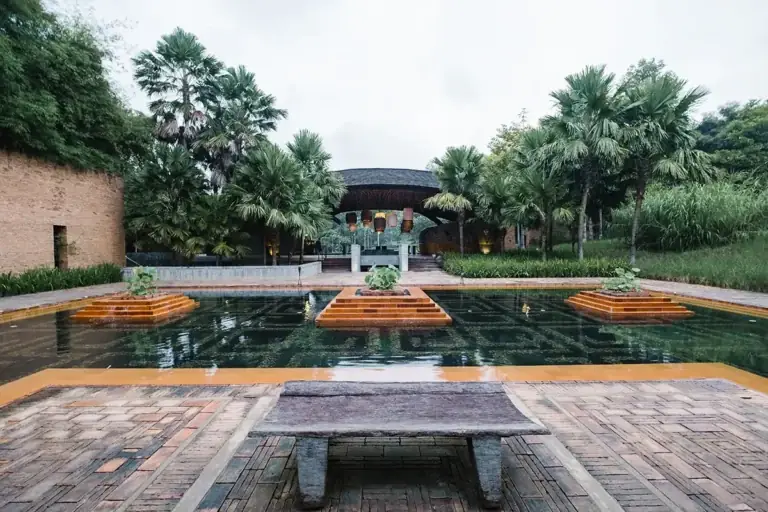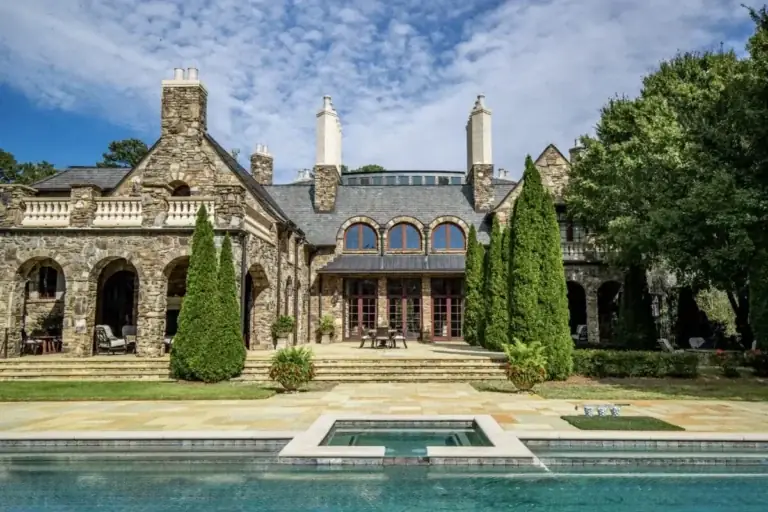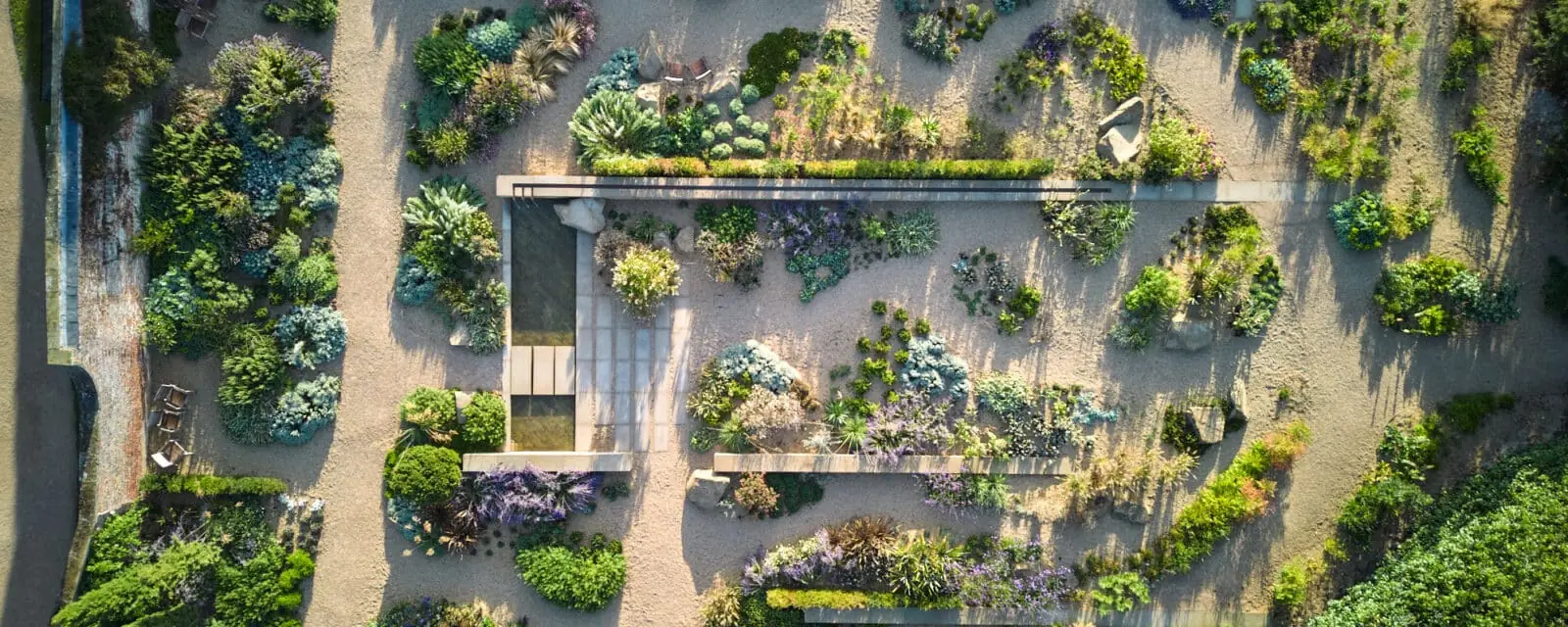
Upscale Lawn Plans: Master Agronomy & Turf Management Guide
Turf management across large residential grounds operates under distinct agronomic rules. Furthermore, this separates standard lawn care from elite property development. When grounds expand across multi-acre estates, turf cultivation requires harmonizing soil microbiology. In addition, automated sub-surface irrigation and precision agronomy must form a unified operational ecosystem. This level of site curation demands shifting focus. Specifically, managers move away from simple mowing routines toward regional soil physics and extensive root-zone aeration.
Developing extensive green spaces requires a rigorous understanding of living plant performance. Consequently, plant material must withstand decades of seasonal shifts and micro-environmental pressures. An effective master design does not merely plant grass seed. Instead, it orchestrates root depth, nutrient uptake, thatch decomposition, and drainage capacity across sprawling acreage. Therefore, the ultimate objective is establishing a lasting, balanced relationship between manicured turf and surrounding landscape architectures.
Approaching this discipline requires examining the underlying mechanics of turf mastery. The following analysis explores the conceptual frameworks, variations, and constraints that define sophisticated property green spaces. When stakeholders evaluate high-end projects, implementing well-structured upscale lawn plans ensures structural longevity, environmental harmony, and long-term financial alignment.
Understanding “upscale lawn plans”
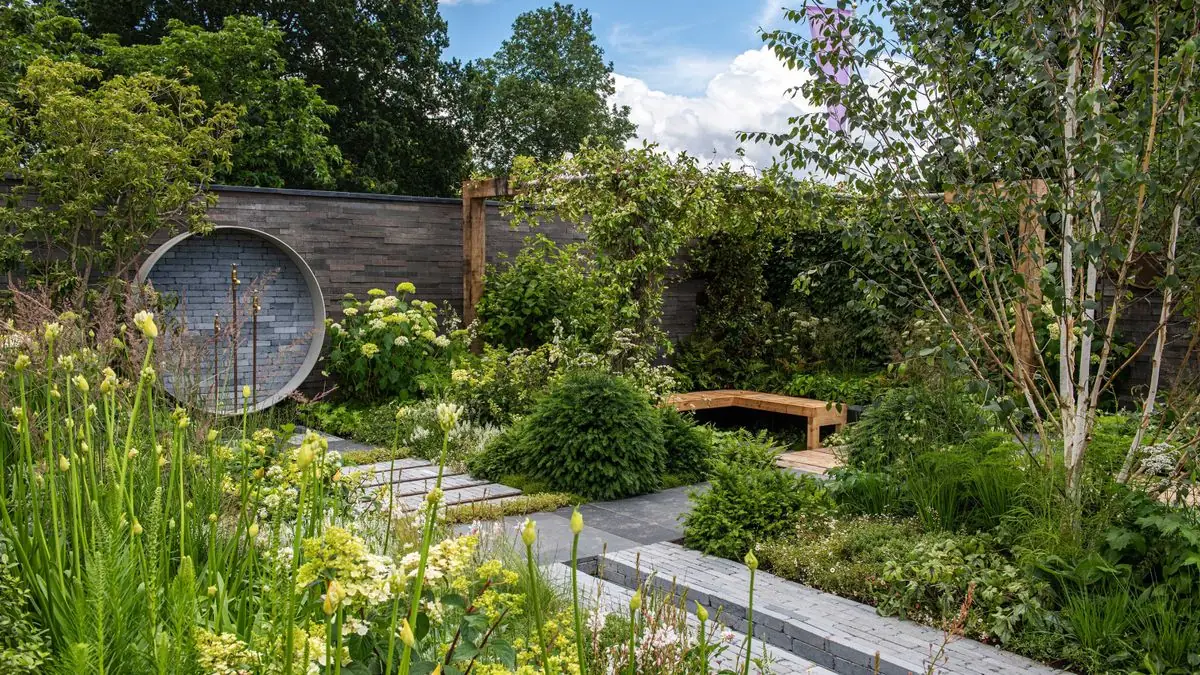
The process to design upscale lawn plans requires looking far beyond surface color. Specifically, evaluators must assess sub-grade soil profiles, automated smart irrigation integration, and climate-adaptive turf cultivars. These distinct turf management strategies are engineered to complement primary manors. Thus, they solve complex site challenges, such as severe shade corridors, watershed runoff, and strict municipal water restrictions.
A common misunderstanding in large property management is the conflation of intensive chemical inputs with true turf health. Property owners frequently assume that applying heavy synthetic fertilizers and high-volume watering automatically constitutes a premium management system. In practice, true turf mastery is found in biological soil activity, deep root proliferation, and long-term structural resilience under varying environmental pressures.
Oversimplification risks occur when project evaluations focus strictly on immediate visual greenness rather than foundational soil biology. For example, a heavy turf layout built over unamended construction fill will inevitably suffer root failure during summer heat stress. Furthermore, treating a living turf expanse as a static carpet ignores biological reality, as soil microbes shift and local pest pressures evolve. Therefore, the most effective evaluations account for biological changes, ensuring the overall property turf improves as the soil profile matures over time.
Deep Contextual Background
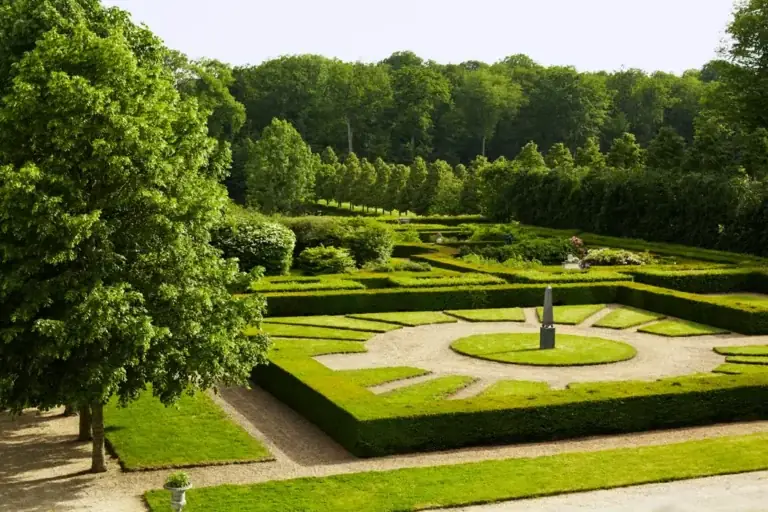
The evolution of grand residential turf management reflects shifting horticultural philosophies and technological capabilities. Historically, elite country seats relied on grazed pasture lands and manually scythed lawns. Consequently, these historic English estate lawns asserted human control over nature through uniform green expanses. These systems required immense manual labor for upkeep and served primarily as theatrical foregrounds for architectural display.
During the nineteenth and twentieth centuries, the invention of the mechanical lawn mower revolutionized turf maintenance. Furthermore, municipal water networks and synthetic fertilizers transformed groundskeeping. Designers and agronomists transitioned toward dense, monoculture turfgrass varieties bred for specific climatic tolerances and wear resistance. This historical trajectory established the foundation for modern site planning, where precision agronomy and engineered luxury coexist across large acreage.
Today, contemporary master turf management incorporates advanced soil testing, DNA-based pathogen diagnostics, and sub-surface drip irrigation. This historical evolution shifts the manager’s role from a simple grass cutter to a soil scientist. Consequently, they orchestrate microbiology, root physiology, and water management into a unified, sustainable property plan.
Conceptual Frameworks and Mental Models
Navigating the complexities of large-scale turf management requires structured mental models. These models balance agronomy, soil physics, and operational logistics.
-
The Soil-Microbiome Symbiosis Model: This framework treats soil as a living organism rather than an inert medium. Specifically, it sequences mycorrhizal fungal inoculation and beneficial bacteria balancing into a closed-loop system. Thus, it naturally suppresses disease while maximizing nutrient uptake.
-
The Root Depth Continuum: This evaluates how turf resilience scales with vertical root penetration. Consequently, it models the transition from shallow, drought-sensitive roots to deep root architectures achieved via deep-tine aeration.
-
The Seasonal Nutrient Budgeting Model: This analyzes fertilizer inputs not as a fixed calendar schedule, but as a dynamic response. Specifically, it reacts to turf growth velocity, temperature curves, and clipping yield data.
-
The Microclimate Stress Matrix: This breaks down a large property into distinct thermal and moisture zones. Furthermore, it analyzes sun exposure and tree canopy occlusion, allowing precise cultivar selection and irrigation scheduling.
Key Categories or Variations
Luxury property turf management manifests through several distinct typologies. Each category is defined by geographical context, cultivar selection, and functional priorities.
| Category | Primary Cultivar Adaptation | Core Technical Focus | Key Trade-Offs |
| Cool-Season Dense Matrix | Kentucky Bluegrass / Perennial Ryegrass | Fine-bladed texture, vibrant spring/fall color, self-repairing spreading | High water and nitrogen demand, susceptible to summer heat stress |
| Transition-Zone Hybrid | Tifway Bermuda / Zoysia Mat | Heat tolerance, deep root mass, wear resilience | Dormancy turns tan in winter, high mowing frequency required |
| Warm-Season Coastal Turf | Sea-Isle Supreme Paspalum | Salt-spray resistance, brackish water irrigation tolerance | Lower cold tolerance, requires precise high-iron fertility |
| Shade-Adapted Fine Fescue | Chewings / Creeping Red Fescue | Low light tolerance, minimal fertility requirements | Low traffic tolerance, prone to disease under high moisture |
| Eco-Sustainable Native Mix | No-Mow Fescue / Fine Turf Blend | Low chemical input, infrequent mowing, deep natural root system | Rougher aesthetic texture, not suited for heavy sports use |
| Formal Parterre Turf | Dwarf Velvet Bentgrass | Ultra-low cutting height, billiard-table smoothness | Extreme maintenance intensity, highly susceptible to fungal disease |
Realistic Decision Logic
When property managers configure upscale lawn plans, selection depends on three immutable site factors. First, they evaluate regional climatic temperature zones. Second, they analyze daily solar radiation hours. Finally, they consider the intended intensity of physical foot traffic. For instance, a shaded woodland estate requires fine fescue matrices that tolerate low light. Conversely, an open sun-drenched southern compound demands drought-resistant hybrid bermudagrass.
Detailed Real-World Scenarios
A : The Shaded Woodland Estate
-
Constraints: Heavy tree canopy occlusion reducing direct sunlight, damp acidic soils, and high root competition.
-
Decision Points: Specifying shade-tolerant fine fescue blends. Furthermore, installing root barriers and selective canopy pruning.
-
Failure Modes: Traditional bluegrass sod thinning and dying out within two seasons. Moreover, moss overtakes turf areas due to poor soil drainage.
-
Second-Order Effects: Selective tree pruning successfully increases sunlight for the turf. However, it alters the microclimate of understory ornamental beds, requiring plant relocation.
B : The Coastal Salt-Spray Compound
-
Constraints: High salinity in soils and well water, sandy sub-base with zero nutrient retention, and ocean winds.
-
Decision Points: Installing Seashore Paspalum turf irrigated with blended water. Furthermore, implementing heavy organic compost topdressing.
-
Failure Modes: Salt burn scorching standard grass cultivars. Additionally, rapid nutrient leaching occurs through sandy sub-base during heavy rains.
-
Second-Order Effects: Paspalum turf successfully resists salt spray. However, it demands strict vertical mowing frequency to prevent heavy thatch accumulation.
C : The Arid High-Altitude Manor
-
Constraints: Extreme diurnal temperature swings, intense UV radiation, strict municipal water quotas, and alkaline clay soils.
-
Decision Points: Utilizing deep-rooting turf-type tall fescue. Furthermore, deploying smart evapotranspiration-based drip and rotor irrigation systems.
-
Failure Modes: Rapid soil crusting and surface runoff during watering cycles. Moreover, localized dry spots develop from wind distortion.
-
Second-Order Effects: Tall fescue survives water restrictions successfully. However, it exhibits coarser leaf blades that require sharp mower blades to prevent shredding.
Planning, Cost, and Resource Dynamics
Executing comprehensive turf management across large landholdings involves balancing direct capital expenditures with ongoing resource consumption. The financial structure of elite property groundskeeping extends far beyond seasonal mowing contracts.
-
Direct Costs: Professional soil testing, laser grading, high-grade sod procurement, and automated multi-zone irrigation installation.
-
Indirect Costs: Core aeration contracting, overseeding operations, pre-emergent herbicide applications, and pest monitoring.
-
Opportunity Costs: Allocating large turf areas versus expanding native wildflower meadows. Furthermore, restricting property access during renovation phases.
-
Variability Factors: Subsurface rock shelves requiring specialized tilling. Additionally, sudden weather anomalies cause unexpected fungal outbreaks.
Financial and Resource Allocation Range
| Project Tier | Typical Budget Allocation (%) | Primary Capital Focus | Long-Term Resource Profile |
| Soil Remediation & Grading | 35% – 45% | Excavation, organic amendments, sub-drainage, grading | Low ongoing maintenance, high structural foundation value |
| Irrigation & Technology Grid | 20% – 30% | Smart controllers, valves, rotor heads, moisture sensors | Medium maintenance, high water efficiency savings |
| Turf Establishment & Cultivars | 15% – 25% | Premium sod, specialized seed matrices, starter fertilizer | High seasonal maintenance, ongoing overseeding costs |
| Ongoing Agronomic Management | 10% – 15% | Aeration, organic fertilization, pest control programs | Recurring annual operational expense |
Tools, Strategies, and Support Systems
Realizing elite green spaces on large properties relies on an ecosystem of specialized tools, digital planning platforms, and expert advisory networks.
-
Spectrophotometer Soil & Tissue Testing Labs: Utilized to measure exact macronutrient and micronutrient deficiencies in plant tissue. Consequently, this guides precise fertilizer micro-dosing.
-
GPS-Guided Commercial Mowing Fleets: Autonomous zero-turn mowers programmed to maintain precise cutting heights and pattern uniformity across acres of turf.
-
Deep-Tine Aeration Rigs: Heavy hydraulic equipment capable of punching solid or hollow tines deep into the soil to improve oxygen exchange.
-
IoT Soil Moisture Probe Arrays: Deployed across various micro-zones to monitor root-zone volumetric water content in real time.
-
Variable-Rate Granular Spreaders: GPS-integrated spreaders that adjust fertilizer application rates dynamically based on mapped soil fertility zones.
-
Thermal Turf Stress Cameras: Handheld or drone-mounted infrared sensors used to detect drought stress before visible wilting occurs.
-
Certified Agronomic Consultants: Retained to oversee seasonal transition strategies and biological soil health programs.
Risk Landscape and Failure Modes
Sophisticated turf plans on large estates carry distinct operational and biological risks that can compromise asset value if teams do not actively manage them.
-
Fungal Pathogen Epidemics: High humidity and incorrect nitrogen timing trigger rapid outbreaks of dollar spot or brown patch, destroying turf stands overnight.
-
Soil Compaction Collapse: Heavy foot or equipment traffic crushes soil pore space. Consequently, this halts oxygen diffusion to roots and causes widespread turf thinning.
-
Improper Irrigation Scheduling: Over-watering causes shallow root development and root-rot fungi. Conversely, under-watering leads to irreversible drought dormancy.
-
Chemical Burn and Phytotoxicity: Miscalculated fertilizer or herbicide application rates scorch leaf tissue, leaving permanent dead patches.
-
Thatch Mat Accumulation: Decomposing organic matter forms an impenetrable layer above the soil, blocking water and nutrient infiltration.
Governance, Maintenance, and Long-Term Adaptation
A luxury estate turf installation is a living infrastructure asset that requires structured governance to preserve its aesthetic and financial value. Transitioning from installation to long-term stewardship demands rigorous oversight.
-
Monitoring Protocols: Bi-weekly soil moisture profiling, monthly turf density counts, and continuous weather station data logging.
-
Review Cycles: Quarterly agronomic audits conducted by specialists to assess root depth and weed encroachment percentages.
-
Adjustment Triggers: Pre-established intervention thresholds. Specifically, initiating curative fungicide treatments when local spore counts cross critical risk points.
-
Layered Maintenance Checklist:
-
Weekly: Precision mowing at optimal seasonal height, edge trimming, and irrigation head alignment checks.
-
Monthly: Micro-nutrient foliar feeding, weed scouting, and soil moisture sensor calibration.
-
Annually: Dual-season core aeration, heavy overseeding, and organic compost topdressing.
-
Measurement, Tracking, and Evaluation
Evaluating the success and performance of an elite turf master plan requires both qualitative assessment and quantitative operational metrics.
-
Leading Indicators: Root depth measurements during core sampling and soil respiration carbon dioxide evolution rates.
-
Lagging Indicators: Total seasonal water consumption volumes and chemical input reduction percentages over baseline years.
-
Qualitative Signals: Uniform color saturation across varied topography and the absence of weed intrusion or bare patches.
-
Documentation Examples:
-
The Turf Health Ledger: A digital log tracking mowing heights, fertilizer applications, and aeration dates by zone.
-
The Irrigation Efficiency Log: Monthly records comparing actual water applied against calculated evapotranspiration demand.
-
The Soil Chemistry Audit: Annual laboratory reports tracking organic matter percentage gains and pH stabilization.
-
Common Misconceptions and Oversimplifications
-
Myth: Scalping a lawn in spring removes dead material faster and improves growth.
-
Correction: Excessive scalping removes carbohydrate reserves stored in crowns and delays spring green-up.
-
-
Myth: Applying more fertilizer always results in a greener, healthier lawn.
-
Correction: Over-fertilization forces excessive top growth at the expense of roots and invites severe disease outbreaks.
-
-
Myth: Frequent light watering encourages deeper root growth than infrequent deep soakings.
-
Correction: Shallow daily watering keeps moisture at the surface, forcing roots to stay shallow and vulnerable.
-
-
Myth: Leaving grass clippings on the lawn causes thatch accumulation and disease.
-
Correction: Finely mulched clippings decompose rapidly, returning valuable nitrogen to the soil without causing thatch.
-
-
Myth: All turfgrass varieties perform equally well under heavy shade.
-
Correction: Most premium turfgrasses require full sun; attempting to grow sun-loving cultivars in shade results in failure.
-
-
Myth: Core aeration is only necessary once every few years on elite properties.
-
Correction: High-end turf maintenance demands bi-annual core aeration to combat continuous soil compaction.
-
-
Myth: Natural organic fertilizers work instantly like synthetic quick-release formulas.
-
Correction: Organic fertilizers require microbial breakdown, offering a slower, sustained release profile over extended periods.
-
-
Myth: A pristine lawn can be maintained with zero pest management oversight.
-
Correction: Even the healthiest turf requires proactive scouting to catch insect and fungal pressures early.
-
Ethical, Practical, and Contextual Considerations
Designing and maintaining high-end turf areas carries significant environmental responsibilities toward regional watersheds. Heavy reliance on synthetic fertilizers can lead to nutrient runoff into local water bodies, causing harmful algal blooms. Furthermore, intensive lawn irrigation places a heavy burden on regional municipal water supplies during dry summer months. Therefore, responsible estate planning mandates integrating smart soil moisture sensors, slow-release organic nutrients, and precision spot-treatment protocols. Balancing pristine formal lawns with ecological stewardship ensures that grand residential properties enhance their surrounding environment.
Conclusion
The realization of sophisticated green spaces relies on agronomic discipline, soil science foresight, and respect for natural biological systems. Surface cosmetics alone cannot support the long-term demands of large-scale residential turf. By grounding design in rigorous soil physics and structured maintenance frameworks, property owners establish outdoor lawns that endure across decades. Ultimately, when decision-makers thoroughly execute upscale lawn plans before establishment begins, they ensure their projects achieve long-term resilience and aesthetic brilliance.